
What is Hysteria? Understanding the Disorder
Hysteria is a historical psychiatric disorder once used to describe a wide range of unexplained psychological and physical symptoms — especially in women. Though now considered outdated, the concept laid the foundation for our modern understanding of several neurological and psychiatric conditions.
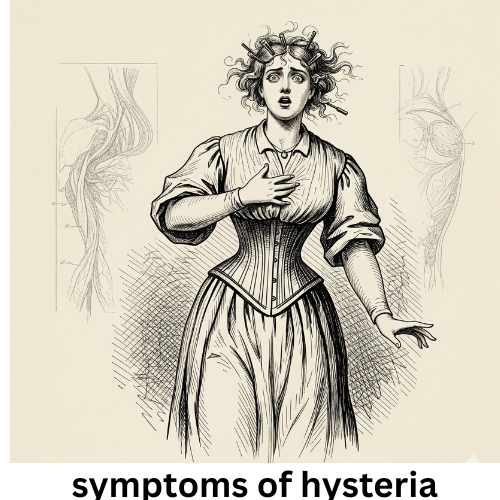
Common historical hysteria symptoms included:
- Emotional outbursts
- Uncontrolled crying or laughter
- Temporary paralysis or blindness
- Fainting or seizures with no neurological cause
Today, these symptoms are more accurately diagnosed as Conversion Disorder or Functional Neurological Symptom Disorder (FNSD).
The Origins of Hysteria: A Historical Overview
Ancient Greek Theories
The term “hysteria” comes from the Greek word hystera (uterus). Ancient physicians like Hippocrates believed a woman’s uterus could move around her body — causing mental and physical disturbances. This “wandering womb” theory reinforced the idea that hysteria was a female-only disorder.
Middle Ages & Witchcraft
During the medieval period, hysteria was often confused with witchcraft or demonic possession. Many women exhibiting signs of mental illness were subjected to exorcisms, punishments, or even execution.
19th Century: Freud and Psychoanalysis
The 1800s brought scientific attention to hysteria, notably through Jean-Martin Charcot and Sigmund Freud. Freud proposed that hysteria was caused by repressed trauma, especially of a sexual nature, and that physical symptoms were a manifestation of psychological conflict.
Hysteria in Modern Psychiatry: Conversion Disorder (FNSD)
The diagnosis of hysteria is no longer used in the DSM-5 (Diagnostic and Statistical Manual of Mental Disorders). Today, most cases previously classified as hysteria fall under Functional Neurological Symptom Disorder (FNSD), also known as Conversion Disorder.
Conversion Disorder Symptoms
- Sudden loss of motor function (e.g., paralysis)
- Seizures without epilepsy
- Sensory loss (e.g., numbness, blindness)
- Non-responsiveness or dissociation
- Involuntary movements or gait disturbances
These symptoms occur without any detectable neurological cause and are believed to result from psychological trauma or stress.
Psychological Causes of Hysteria and Conversion Disorder
Hysteria, or Conversion Disorder, is a psychosomatic condition, where psychological distress is unconsciously “converted” into physical symptoms. It’s not intentional or faked — the person genuinely experiences the symptoms.
Underlying causes may include:
- Childhood or adult trauma
- Unresolved psychological conflict
- Severe emotional stress
- Repressed feelings or memories
This unconscious coping mechanism highlights the complex mind-body connection in mental health disorders.
Gender Bias and the Stigma of Hysteria
Historically, hysteria was used to pathologize women’s emotions and behaviors. Men with similar symptoms were often ignored or misdiagnosed, reinforcing mental health gender bias.
Key facts:
- Hysteria was long believed to be a “female disorder”
- Male patients with symptoms were often dismissed
- The diagnosis reflected social views more than medical science
Modern psychiatry recognizes that Conversion Disorder can affect all genders, and no longer attributes symptoms to gender or emotional weakness.
How is Conversion Disorder Diagnosed Today?
A proper diagnosis involves ruling out physical causes before confirming a psychological one.
Diagnostic Steps:
- Full neurological exam
- Psychological assessment
- Medical imaging (MRI, CT scan) to exclude physical issues
- Patient history and stress/trauma analysis
It’s essential to differentiate between unconscious symptom expression (Conversion Disorder) and factitious disorders or malingering.
Treatment for Hysteria and Conversion Disorder
Effective treatment requires a multidisciplinary approach, addressing both psychological and physical symptoms.
Treatment Options:
- Cognitive Behavioral Therapy (CBT) – Restructure thought patterns
- Trauma-Focused Psychotherapy – Process unresolved trauma
- Medication – Antidepressants or anxiolytics if needed
- Physical Therapy – Rehabilitate motor/sensory impairments
- Psychoeducation – Help the patient understand their condition
Early intervention is key to successful treatment and long-term recovery.
Famous Historical Cases of Hysteria
Understanding how hysteria was once treated helps highlight how far mental health care has come.
Notable cases:
- Anna O. – Treated by Josef Breuer and studied by Freud
- Mary Glover – A 16th-century case tied to early psychiatric debates
- Witch Trials – Many accused witches may have had dissociative or conversion symptoms
These cases remind us of the importance of compassionate, evidence-based treatment for psychiatric conditions.
Conclusion: Moving Beyond the Myth of Hysteria
While the term “hysteria” is now obsolete, its legacy remains in how we view psychological disorders today. Conditions once misunderstood as witchcraft or weakness are now seen through the lens of neuroscience and psychology.