
MOOD DISORDER
MANIA: A COMPREHENSIVE GUIDE TO UNDERSTANDING AND MANAGING THIS MOOD DISORDER
INTRODUCTION
Mania is a significant mood disorder that affects millions worldwide. Often associated with bipolar disorder, mania can severely impact an individual’s emotions, behaviors, and overall quality of life. Recognizing, diagnosing, and managing mania is critical to providing effective care and improving patient outcomes. This blog explores mania in detail—from its definition and classification to symptoms, diagnosis, management, and the vital role nurses play in patient care.

DEFINITION
Mania is a psychiatric condition characterized by an abnormally elevated or irritable mood, increased energy, and exaggerated behaviors lasting for at least one week. It often leads to impaired judgment, risky behaviors, and sometimes psychosis. Mania is typically seen in bipolar disorder but can occur in other mental health conditions or due to medical causes.
MEANING OF MANIA
The word “mania” comes from the ancient Greek term “μανία” (mania), which means madness, frenzy, or madness of the mind. In modern psychiatry, mania refers to a specific episode often seen in mood disorders, especially bipolar disorder, where an individual experiences a distinct period of heightened emotions and behaviors that can disrupt daily functioning and judgment.
CLASSIFICATION (ICD-10, ICD-11, AND DSM)
ICD-10 (International Classification of Diseases, 10th Revision)
- Mania is classified under F30 codes.
- It includes manic episodes with or without psychotic symptoms.
ICD-11 (International Classification of Diseases, 11th Revision)
- Mania is classified under 6A60 in the chapter on mood disorders.
- The focus is on clinical features such as mood elevation, increased energy, and behavior changes.
DSM-5 (Diagnostic and Statistical Manual of Mental Disorders, 5th Edition)
- Mania is defined as a distinct period of abnormally elevated, expansive, or irritable mood, with increased activity lasting at least one week.
- It is classified under Bipolar I Disorder, manic episode.
TYPES OF MANIA
- Hypomania: A milder form without significant impairment or psychosis.
- Full Mania: Severe symptoms with marked functional impairment, possibly with psychotic features.
- Mixed Mania: Symptoms of mania and depression occur simultaneously or alternate rapidly.
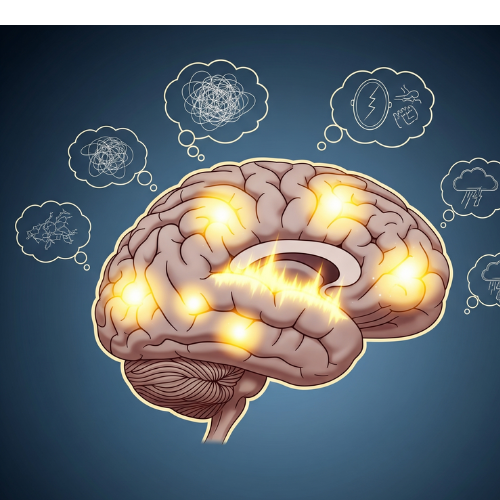
ETIOLOGY (CAUSES)
Mania arises from a combination of genetic, biological, and environmental factors:
- Genetics: Strong hereditary link in bipolar disorder.
- Neurochemical imbalance: Dopamine, serotonin, and norepinephrine dysregulation.
- Brain structure and function: Abnormalities in prefrontal cortex and limbic system.
- Environmental triggers: Stress, sleep deprivation, substance use.
- Medical conditions: Hyperthyroidism, neurological disorders.
- Medications: Antidepressants or steroids may induce mania.
SYMPTOMS OF MANIA
Manic episodes present with a wide range of symptoms:
- Elevated, euphoric, or irritable mood
- Increased self-esteem or grandiosity
- Decreased need for sleep
- Rapid or pressured speech
- Racing thoughts or flight of ideas
- Distractibility
- Increased goal-directed activity (work, social, sexual)
- Risky behaviors (spending sprees, impulsivity)
- Psychotic features: delusions or hallucinations in severe cases
DIAGNOSTIC EVALUATION ACCORDING TO ICD-11 AND OTHER GUIDELINES
Diagnosis is primarily clinical, based on symptom duration, severity, and impact on functioning:
- Duration: Symptoms must last at least one week or require hospitalization.
- Symptom checklist: Elevated mood, increased activity, decreased need for sleep, etc.
- Severity: Degree of functional impairment and presence of psychosis.
- Rule out other causes: Medical conditions, substance use.
- Use of rating scales: Young Mania Rating Scale (YMRS) can assist assessment.
- Differential diagnosis: Differentiate from hypomania, schizophrenia, or drug-induced states.
MANAGEMENT OF MANIA
PHARMACOLOGICAL TREATMENT
- Mood stabilizers: Lithium is first-line treatment.
- Antipsychotics: Risperidone, olanzapine, quetiapine for acute mania.
- Anticonvulsants: Valproate and carbamazepine as mood stabilizers.
- Benzodiazepines: Short-term use for agitation or insomnia.
NON-PHARMACOLOGICAL TREATMENT
- Psychoeducation: Teaching patients and families about mania and bipolar disorder.
- Psychotherapy: Cognitive Behavioral Therapy (CBT) for managing symptoms.
- Lifestyle modifications: Sleep hygiene, stress management, routine maintenance.
- Hospitalization: For safety and stabilization in severe cases.
ROLE OF NURSES IN CARING FOR PATIENTS WITH MANIA
Nurses play a crucial role in managing mania:
- Assessment: Monitoring symptoms, vital signs, and medication adherence.
- Safety: Preventing harm by supervising risky behaviors and ensuring a safe environment.
- Communication: Using clear, calm communication and setting behavioral limits.
- Medication management: Administering drugs and educating patients on adherence.
- Support: Providing emotional support and encouraging rest and nutrition.
FIVE PRIORITY NEEDS OF PATIENTS WITH MANIA
- Safety: Prevent self-harm and injury during impulsive or risky behaviors.
- Medication adherence: Ensuring consistent intake to control symptoms.
- Sleep regulation: Encouraging adequate rest despite decreased sleep needs.
- Nutrition and hydration: Supporting basic physical health during hyperactivity.
- Emotional support: Managing mood swings and psychotic symptoms with empathy.
NURSING CARE PLAN FOR PATIENT WITH MANIA
1. Safety
NANDA Diagnosis:
Risk for Injury
Related to: impulsivity, poor judgment, hyperactivity, decreased need for sleep
As evidenced by: (evidence not applicable for risk diagnoses, but risk factors are specified)
Goal: Patient will remain free from harm or injury during the hospital stay.
Interventions:
- Monitor patient behavior every 15 minutes (or as per facility protocol).
- Maintain low-stimulation environment (e.g., reduce noise, bright lights).
- Remove dangerous objects from the room.
- Use de-escalation techniques for agitation (calm voice, personal space).
- Set consistent and clear behavioral limits.
Evaluation:
- Patient demonstrates decreased impulsive behavior and remains injury-free.
2. Medication Adherence
NANDA Diagnosis:
Ineffective Health Maintenance
Related to: impaired insight, cognitive distortion, disorganized thinking
As evidenced by: refusal to take medication, verbalization of mistrust, denial of illness
Goal: Patient will adhere to prescribed medication regimen with nursing supervision.
Interventions:
- Provide clear, simple education about medication purpose and side effects.
- Supervise medication administration; observe swallowing if necessary.
- Use therapeutic communication to build trust.
- Collaborate with psychiatrist to adjust medications if side effects are a concern.
- Involve family (if appropriate) in education and support.
Evaluation:
- Patient takes medication as prescribed and verbalizes understanding of its importance.
3. Sleep Regulation
NANDA Diagnosis:
Disturbed Sleep Pattern
Related to: excessive psychomotor activity, racing thoughts, decreased need for sleep (biological symptom of mania)
As evidenced by: sleeping <3 hours/night, restlessness, inability to stay in bed
Goal: Patient will achieve 4–6 hours of uninterrupted sleep per night.
Interventions:
- Maintain a quiet, dark, low-stimulation environment during night hours.
- Encourage rest periods during the day.
- Avoid caffeine or stimulating activities in the evening.
- Administer prescribed sedatives/mood stabilizers as indicated.
- Promote relaxation techniques (e.g., breathing exercises, calming music).
Evaluation:
- Patient reports improved sleep; nursing staff observe increased restfulness during night shifts.
4. Nutrition and Hydration
NANDA Diagnosis:
Imbalanced Nutrition: Less Than Body Requirements
Related to: excessive motor activity, distractibility, poor concentration
As evidenced by: skipping meals, weight loss, physical signs of dehydration or malnutrition
Goal: Patient will consume adequate calories and fluids to meet daily needs.
Interventions:
- Offer high-calorie, high-protein finger foods.
- Encourage small, frequent meals and fluids.
- Monitor daily weight, intake/output, and lab values if needed.
- Provide meals in quiet setting with minimal distraction.
- Document nutritional intake at each meal/snack.
Evaluation:
- Patient maintains weight and hydration; intake meets nutritional goals.
5. Emotional Support
NANDA Diagnosis:
Impaired Social Interaction
Related to: inflated self-esteem (grandiosity), intrusive behavior, rapid/pressured speech
As evidenced by: interrupting others, poor boundaries, inappropriate comments or behavior
Goal: Patient will engage in appropriate interactions with staff/peers.
Interventions:
- Set clear, consistent expectations for behavior in social settings.
- Use short, direct communication to manage pressured speech.
- Encourage journaling or 1:1 verbal expression to process emotions.
- Gradually increase group activity participation as behavior stabilizes.
- Provide positive reinforcement for appropriate interactions.
Evaluation:
- Patient demonstrates improved social behavior and respects personal space/boundaries.
Health Education for Patients with Mania-
- Understand the nature of mania and bipolar disorder.
- Importance of medication adherence even when feeling well.
- Maintain regular sleep patterns and avoid sleep deprivation.
- Avoid alcohol, drugs, and other mood-altering substances.
- Recognize early warning signs of mood changes and seek help promptly.
- Maintain regular follow-up appointments with healthcare providers.
- Engage in stress management techniques and healthy lifestyle habits.
Conclusion
Mania is a complex mood disorder that requires timely diagnosis and comprehensive management. Understanding its symptoms, causes, and treatment options is essential for patients, families, and healthcare professionals. Nurses play a vital role in ensuring safety, medication adherence, and emotional support for individuals experiencing mania. Through multidisciplinary care and education, individuals with mania can achieve stability and improved quality of life.
Thank you, this knowledge is really amazing.