
Mastering Stress Management: A Complete Guide to a Healthier Mind and Life
In today’s fast-paced world, stress has become a part of everyday life. Whether it’s the pressure of work, family responsibilities, financial challenges, or simply keeping up with modern life’s demands, almost everyone experiences stress. But while some stress can be motivating, excessive or chronic stress can have serious consequences for your mental, emotional, and physical health.
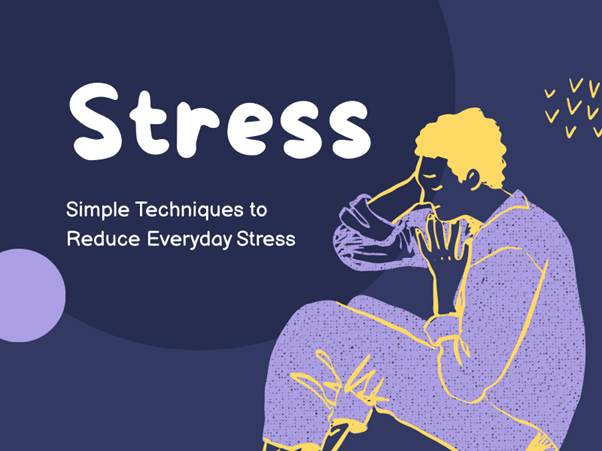
This blog will explore what stress is, how it affects the mind and body, and most importantly, practical techniques to manage and reduce stress effectively.
What is Stress?
Stress is your body’s natural reaction to any change that requires an adjustment or response. It can come from any situation or thought that makes you feel frustrated, angry, nervous, or anxious. Your body reacts to these challenges with physical, mental, and emotional responses.
While short-term stress (called acute stress) can help you focus or perform better under pressure, chronic stress—when stress continues for a long time—can be damaging and lead to serious health problems.
Common Causes of Stress

Stress can be triggered by both external and internal factors, including:
- Work pressure or job insecurity
- Relationship issues
- Financial difficulties
- Health concerns
- Major life changes (moving, divorce, loss of a loved one)
- Academic pressure
- Overcommitment and lack of time
What causes stress for one person may not affect another the same way. Everyone has different thresholds and coping capacities.
Signs and Symptoms of Stress
Stress can manifest in different ways. Recognizing the signs early helps you take action before it becomes overwhelming.
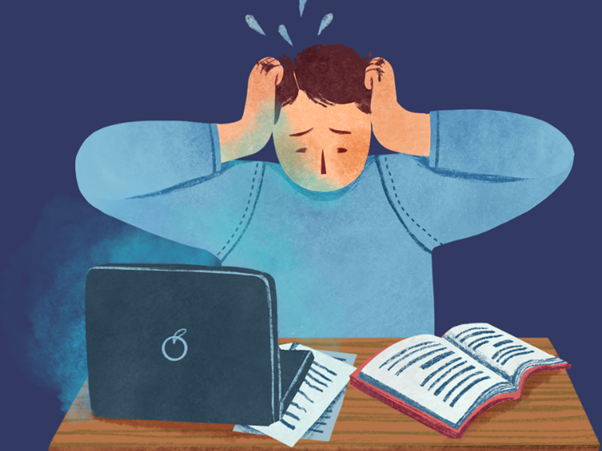
Physical symptoms:
- Headaches or migraines
- Fatigue
- Sleep disturbances or insomnia
- Muscle tension or pain
- Rapid heartbeat
- Upset stomach or digestive issues
- Lowered immunity
Emotional and mental symptoms:
- Anxiety or restlessness
- Irritability or mood swings
- Depression or sadness
- Difficulty concentrating
- Feeling overwhelmed
- Low self-esteem or loss of confidence
Behavioral symptoms:
- Changes in appetite (overeating or loss of appetite)
- Withdrawal from others
- Procrastination or neglecting responsibilities
- Increased use of alcohol, tobacco, or other substances
The Impact of Chronic Stress
Long-term stress doesn’t just affect your mood—it affects your whole body. It can contribute to:
- High blood pressure
- Heart disease
- Diabetes
- Obesity
- Depression and anxiety disorders
- Digestive problems
- Memory and concentration issues
That’s why stress management is not a luxury—it’s a necessity for a healthy life.
Effective Stress Management Strategies
The good news is that stress can be managed, and in many cases, reduced or prevented. Below are science-backed and practical strategies you can start using today:
1. Practice Mindfulness and Meditation
Mindfulness means being fully present in the moment without judgment. Meditation trains your mind to slow down, relax, and let go of negative thoughts.
Try:
- Deep breathing (e.g., inhale 4s – hold 4s – exhale 4s – hold 4s)
- Guided meditations (apps like Calm, Insight Timer, or YouTube)
- Body scan or loving-kindness meditation
Benefits:
- Lowers cortisol (stress hormone)
- Improves emotional regulation
- Enhances focus and clarity
2. Exercise Regularly
Physical activity is one of the most effective ways to combat stress.
Why it works:
Exercise increases endorphins (feel-good hormones), reduces fatigue, and improves sleep and self-confidence.
Examples:
- Brisk walking or jogging
- Yoga or stretching
- Dancing
- Swimming or cycling
Aim for at least 30 minutes, 3–5 times a week.
3. Get Quality Sleep
Sleep and stress are deeply connected. Lack of sleep increases stress, and stress makes it harder to sleep—a vicious cycle.
Tips for better sleep:
- Stick to a sleep schedule
- Avoid screens 1 hour before bed
- Create a calming bedtime routine (reading, warm bath, meditation)
- Limit caffeine and heavy meals in the evening
4. Manage Your Time Effectively
Poor time management can lead to missed deadlines, disorganization, and increased stress.
Techniques:
- Prioritize tasks (use Eisenhower Matrix or ABC method)
- Break big tasks into smaller steps
- Use to-do lists or planning apps
- Set realistic goals and deadlines
Bonus tip: Learn to say no when your plate is full. Setting boundaries is crucial for mental peace.
5. Connect with Others
Humans are social beings. Sharing your thoughts and feelings with someone can dramatically reduce stress levels.
Ways to connect:
- Talk to a friend, family member, or mentor
- Join a support group (online or offline)
- Consider therapy or counseling if needed
Reminder: You don’t have to go through stress alone.
6. Engage in Hobbies and Enjoyable Activities
Taking time to do things you love boosts happiness and creates balance in life.
Try:
- Drawing or painting
- Playing a musical instrument
- Gardening
- Cooking or baking
- Reading
- Volunteering
Make joy a priority, not a reward.
7. Practice Gratitude
Focusing on what you have, instead of what you lack, shifts your mindset.
Start a gratitude journal:
Write down 3 things you’re grateful for every day. It rewires your brain to look for the positive.
8. Reduce Screen Time and Media Overload
Constant exposure to negative news or social media comparisons can heighten anxiety.
Suggestions:
- Set screen time limits
- Avoid screens before bed
- Take a digital detox day
- Follow uplifting and educational content
9. Use Relaxation Techniques
Activate your body’s relaxation response with:
- Progressive muscle relaxation
- Visualization (imagining a peaceful scene)
- Aromatherapy (lavender, chamomile, peppermint oils)
- Listening to calming music or nature sounds
These techniques lower blood pressure, heart rate, and tension.
10. Nourish Your Body
Your diet affects your mood and energy levels.
Eat more:
- Whole grains
- Fresh fruits and vegetables
- Lean proteins
- Omega-3 fats (found in nuts, seeds, and fish)
Avoid or reduce:
- Caffeine
- Sugar
- Processed foods
- Alcohol
Stay hydrated. Even mild dehydration can increase fatigue and irritability.
When to Seek Help
Sometimes, stress becomes too heavy to handle on your own. There is no shame in asking for help. Reach out to a mental health professional if:
- You feel constantly overwhelmed or anxious
- You’re unable to sleep or eat properly
- You’re withdrawing from others
- Your performance at work or school is suffering
- You’re relying on substances to cope
Therapy, counselling, or stress management coaching can make a huge difference.
Final Thoughts: You’re in Control
Stress is a natural part of life-but it doesn’t have to control your life.
By becoming more aware of your stress triggers and learning to manage your response, you can build resilience, improve your mental health, and live a more balanced and fulfilling life.
Start small. Pick one or two strategies from this guide and practice them daily. Over time, they’ll become habits that protect your mind and body from the harmful effects of stress.

Remember: Your mental health matters. And you’re not alone.
Need help managing stress?
At Mental Boom Solution, we offer guidance, educational resources, and referral services to help you develop a strong, healthy, and positive mind. Reach out to us today.
Conclusion: Remember, small changes lead to big results. Whether it’s taking a 10-minute walk, journaling your thoughts, or simply saying “no” to things that drain your energy, every step counts.
Your mental well-being is your foundation. Prioritize it, protect it, and nurture it—because a calm mind is your greatest strength in a chaotic world.
Thank you so much mam your content is so use full ………
Thank you so much